

Taxis and maxis are both forms of transportation that are commonly used in urban areas, but many people may not be aware of the key differences between the two. While they may seem similar at first glance, there are actually several factors that set them apart. We will explore the differences between taxis and maxis, from their size and capacity to their availability and usage, to help you better understand which option may be best for your transportation needs. Whether you’re a frequent city traveler or just curious about different modes of transportation, read on to discover the distinct features of taxis and maxis.
Taxis versus Maxi Cabs: Key Differences Explored
When it comes to getting around in urban areas, taxis and maxi cabs are two popular options. However, it’s crucial to take into account that there are a number of significant variations between the two. Taxis are typically smaller vehicles designed to accommodate a smaller number of passengers, usually up to four or five people. They are commonly used for short-distance trips or when traveling alone or in small groups. On the other hand, maxi cabs are larger vehicles that can accommodate a larger number of passengers, usually up to nine or ten people. They are often used for group transportation, such as airport transfers or special events.
Another difference between taxis and maxi cabs is their availability. Typically, cabs can be located at designated taxi stands or hailed on the street. They are typically more readily available and can be easily booked through taxi apps or by calling a taxi company. Maxi cabs, on the other hand, are usually pre-booked in advance, especially for larger groups. They are less commonly found on the street and may require a longer wait time.
In terms of fare structure, taxis usually charge by the distance traveled and time spent in the vehicle. Additional fees may apply for tolls or extra services. Maxi cabs, on the other hand, often have a flat rate or hourly rate, which may vary depending on the number of passengers and the distance traveled.
When it comes to licensing and regulatory requirements, both taxis and maxi cabs are subject to specific regulations imposed by local transportation authorities. This ensures that the vehicles are safe and the drivers are qualified. However, the licensing and regulations may differ slightly between taxis and maxi cabs, depending on the location.
Purpose and Design of Taxis and Maxi Cabs
Taxis and maxi cabs serve distinct purposes and are designed with different functionalities in mind. Taxis are primarily meant for individuals or small groups traveling short distances. They are typically compact vehicles that prioritize maneuverability and convenience. Taxis are equipped with comfortable seating and basic amenities such as air conditioning and music systems. The purpose of taxis is to provide a convenient and efficient mode of transportation for individuals who require a quick and hassle-free ride.
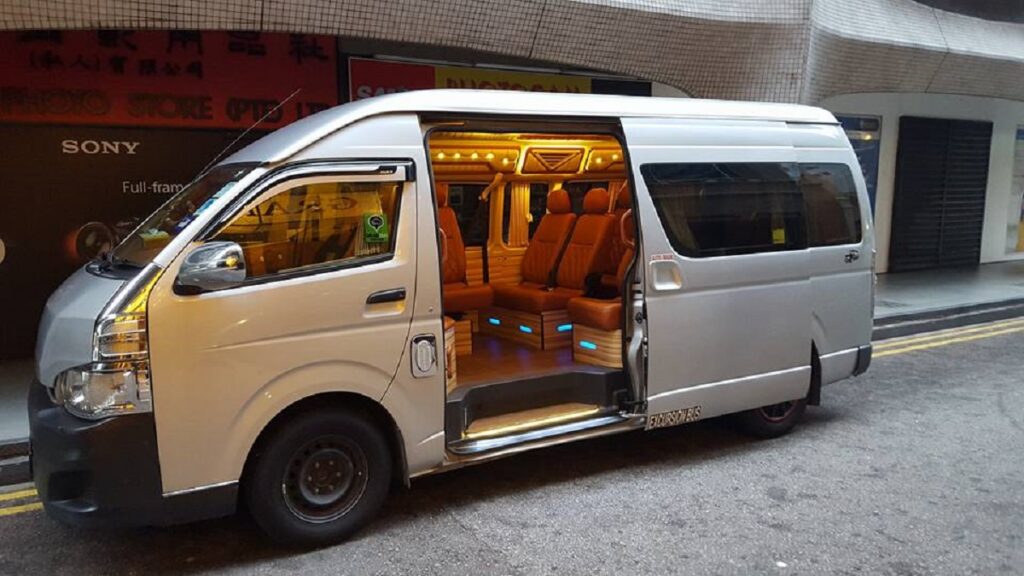
On the other hand, maxi cabs are designed for larger groups and longer distances. These vehicles have spacious interiors with seating arrangements that can accommodate up to nine or ten passengers. Maxi cabs are commonly used for group transportation, such as airport transfers, corporate events, or city tours. They are equipped with ample legroom, larger luggage space, and sometimes even entertainment systems. The purpose of maxi cabs is to provide a comfortable and enjoyable journey for larger groups, ensuring everyone can travel together without the need for multiple vehicles.
In summary, taxis are designed for individual or small group travel over short distances, while maxi cabs cater to larger groups and longer distances, prioritizing comfort and convenience. Understanding the purpose and design of taxis and maxi cabs can help you determine which option is best suited for your transportation needs.
Capacity and Comfort Comparison
When it comes to capacity and comfort, taxis and maxi cabs have distinct differences that can greatly impact your transportation experience. Taxis are typically smaller vehicles designed to accommodate a smaller number of passengers, usually up to four or five people. They prioritize maneuverability and convenience, providing a quick and hassle-free ride. However, due to their smaller size, they may not offer as much legroom or storage space for luggage.
On the other hand, maxi cabs are larger vehicles that can accommodate up to nine or ten passengers. They are designed with spacious interiors, providing ample legroom and larger luggage space. This makes them ideal for larger groups or individuals who prefer a more comfortable and roomy journey. Maxi cabs often come equipped with entertainment systems, further enhancing the passenger experience.
When choosing between a taxi and a maxi cab, consider the number of passengers you’ll be traveling with and the level of comfort you desire. If you’re traveling alone or in a small group and prioritize convenience, a taxi may be suitable. However, if you’re traveling with a larger group or want a more comfortable ride, a maxi cab would be the better choice.
Fare Structure: Pricing Differences Analyzed
When it comes to the fare structure, there are distinct pricing differences between taxis and maxi cabs that are worth exploring. Taxis typically charge fares based on the distance traveled and the time spent in the vehicle. This means that if you’re caught in heavy traffic, you may end up paying more for your ride. Additionally, taxis may charge additional fees for tolls or extra services such as baggage handling.
On the other hand, maxi cabs often have a flat rate or an hourly rate. This can be advantageous for larger groups, as the cost can be divided among all passengers. The flat rate or hourly rate may vary depending on the number of passengers and the distance traveled, but it provides a transparent pricing structure without any surprise charges.
When considering the fare structure, it’s important to evaluate your transportation needs. If you’re traveling alone or in a small group and prioritize cost efficiency, a taxi may be the more affordable option. However, if you’re traveling with a larger group, a maxi cab’s flat rate or hourly rate may offer better value for money.
Accessibility and Passenger Services Compared
When it comes to accessibility and passenger services, taxis and maxi cabs have some distinct differences. Taxis are typically more readily available and can be hailed on the street or found at designated taxi stands. They can also be easily booked through taxi apps or by calling a taxi company. This makes taxis a convenient option for spontaneous or last-minute travel.
Maxi cabs, on the other hand, are usually pre-booked in advance, especially for larger groups. They are less commonly found on the street and may require a longer wait time. However, the advantage of pre-booking a maxi cab is that you can ensure the availability of a vehicle that can accommodate your group size.
In terms of passenger services, both taxis and maxi cabs strive to provide a comfortable and convenient experience. Taxis typically offer amenities such as air conditioning and music systems. Maxi cabs, being larger vehicles, often have additional features like entertainment systems and more spacious interiors for a more enjoyable journey.
When it comes to accessibility and passenger services, the choice between a taxi and a maxi cab will depend on your specific needs and preferences. If you value convenience and spontaneous travel, a taxi may be the better option. However, if you’re traveling with a larger group and want to ensure a comfortable ride, pre-booking a maxi cab would be more suitable.
Licensing and Regulatory Requirements Examined
When it comes to taxis and maxi cabs, both are subject to specific licensing and regulatory requirements imposed by local transportation authorities. These regulations are put in place to ensure the safety of passengers and the quality of service provided. However, the licensing and regulatory requirements may vary slightly between taxis and maxi cabs, depending on the location.
For taxis, drivers typically need to obtain a special license to operate as a taxi driver. They may also be required to undergo background checks and provide proof of insurance coverage. Additionally, taxis may need to comply with specific vehicle standards, such as regular inspections and maintenance.
Maxi cabs, on the other hand, may require a different type of license or permit to operate. Since they are designed for larger groups, additional safety measures may be in place, such as the installation of seat belts for each passenger and adherence to weight restrictions.
It’s important to be aware of these licensing and regulatory requirements when considering the use of taxis or maxi cabs. By choosing a licensed and regulated transportation service, you can ensure your safety and peace of mind during your journey.
Operational Differences: Dispatch and Availability Contrasted
When it comes to the operational differences between taxis and maxi cabs, dispatch and availability are key factors to consider. Taxis are typically more readily available and can be hailed on the street or found at designated taxi stands. With the rise of technology, taxis can also be easily booked through taxi apps or by calling a taxi company. This makes taxis a convenient option for spontaneous or last-minute travel.
On the other hand, maxi cabs usually require pre-booking in advance, especially for larger groups. They are less commonly found on the street and may require a longer wait time. However, the advantage of pre-booking a maxi cab is that you can ensure the availability of a vehicle that can accommodate your group size.
The contrasting availability and dispatch methods of taxis and maxi cabs make them suitable for different transportation needs. If you value convenience and spontaneous travel, a taxi may be the better option. However, if you’re traveling with a larger group and want to ensure a comfortable ride, pre-booking a maxi cab would be more suitable.
Popular Use Cases for Taxis and Maxi Cabs Explored
When it comes to popular use cases for taxis and maxi cabs, there are several scenarios where each option shines. Taxis are commonly used for short-distance trips or when traveling alone or in small groups. They are perfect for getting to work or running errands around the city. Taxis are also a convenient choice for late-night travel or when you need a quick and hassle-free ride.
On the other hand, maxi cabs are often preferred for group transportation. They are ideal for airport transfers, where larger groups of friends or family can travel together and split the cost. Maxi cabs are also commonly used for special events, such as weddings or corporate outings. They provide ample space for everyone to sit comfortably and enjoy the journey.
Whether you need to get to the airport with your entire family or have a night out with friends, maxi cabs are a reliable choice. On the other hand, if you’re traveling alone or in a small group and value convenience, a taxi is the way to go.
Future Trends in Transportation Services Predicted
As technology continues to advance and urban areas become more congested, the transportation industry is constantly evolving. In the future, we can expect to see some exciting trends in transportation services. One of the biggest trends is the rise of ridesharing and on-demand transportation services. Companies like Uber and Lyft have already revolutionized the way we travel, but the future holds even more possibilities.
We may see the emergence of autonomous taxis and maxi cabs, where passengers can simply request a ride through an app and be picked up by a self-driving vehicle. In addition to easing traffic congestion, this might considerably increase efficiency. Another trend we can expect is the integration of electric and eco-friendly vehicles into taxi and maxi cab fleets. With a growing emphasis on sustainability, many transportation companies are transitioning to electric vehicles to reduce emissions and environmental impact.
Additionally, we may see advancements in vehicle technology that enhance passenger comfort and convenience. This could include features like built-in Wi-Fi, charging ports, and entertainment systems. Overall, the future of transportation services is promising, with exciting developments on the horizon that will make getting around cities easier, greener, and more enjoyable.